BREAK // ritual and release
Break explores photography as a process of individuation (Carl Jung’s approach to integrating the unconscious self to become whole) through performance, repetition, and psychological exposure. The work transforms the studio into a ritual space where unconscious aspects of the psyche surface, fracture, and re-emerge through continual transformation.
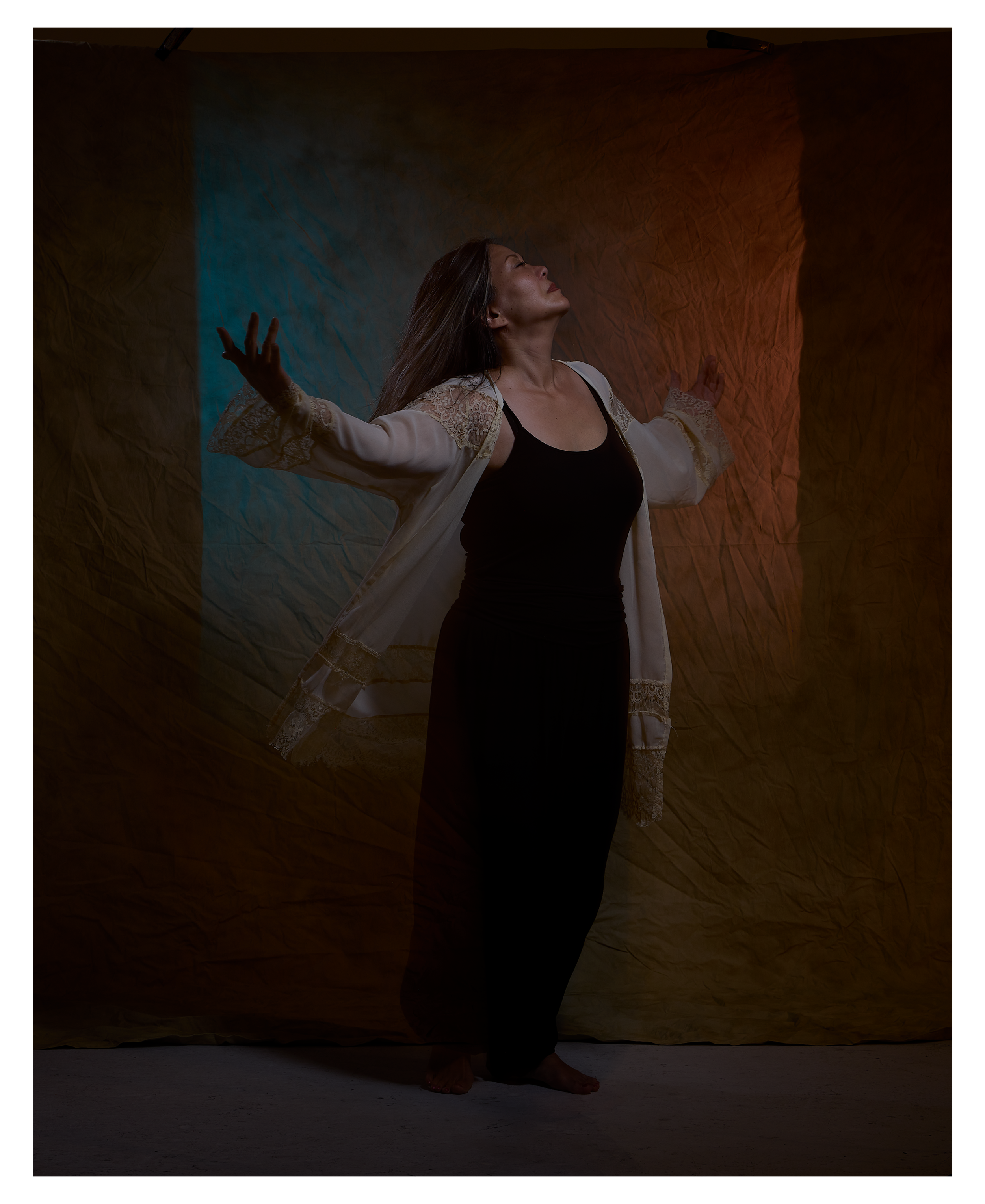
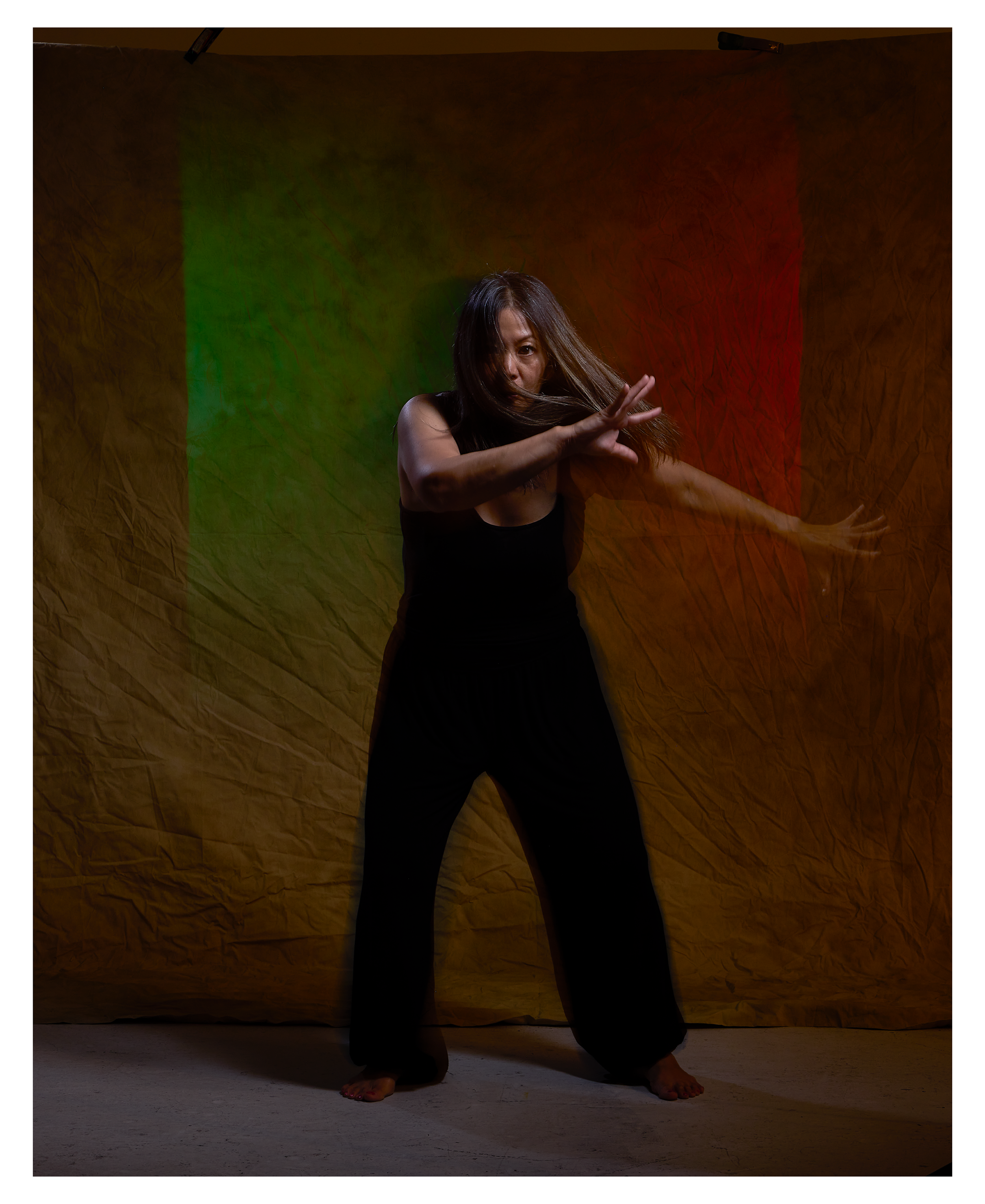
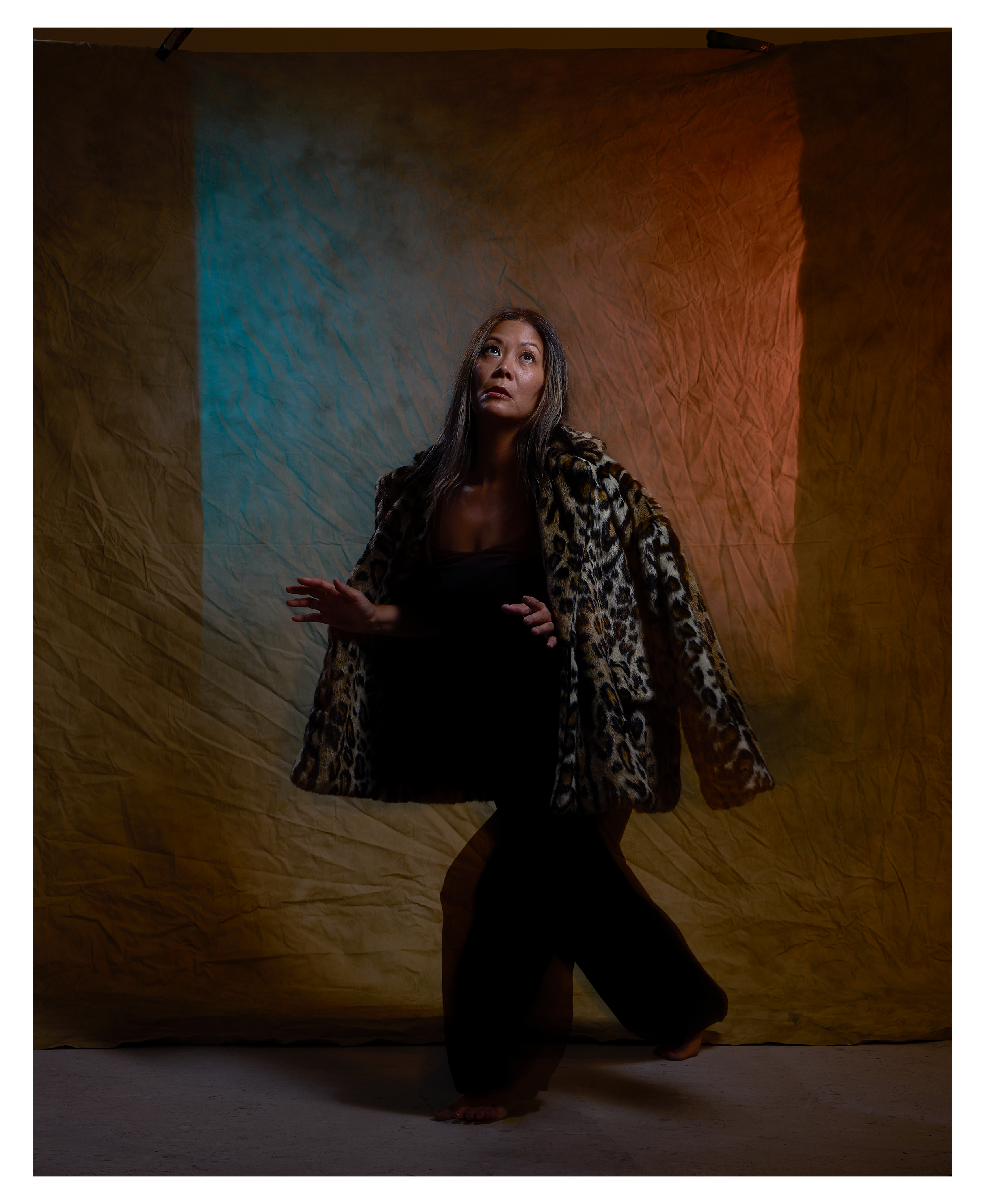
Elora Nomura | BrEak
BrEak explores photography as a process of individuation (the inner process of becoming psychologically whole through integrating unconscious aspects of the self, versus the idea of being an individual as it refers to being distinct, unique, or separate from others) through performance, repetition, and psychological exposure. Using the visual language of classical studio portraiture—precise lighting, theatrical staging, and technical control—I turn the studio into something beyond a place of representation. It becomes a psychological and ritual space where identity can fracture, confront itself, dissolve, and re-emerge.
Created through a nonstop five-hour photographic performance resulting in more than 300 self-performed images, the work rejects the idea of the singular or finished self. Instead of presenting identity as fixed, polished, or coherent, the images move through shifting emotional and psychological states where gesture, exhaustion, memory, shadow, inheritance, and vulnerability continuously surface and transform. The repetition itself becomes essential to the work, refusing the idea of the “definitive portrait” and instead revealing selfhood as something fluid, unstable, and constantly becoming.
Influenced by the conceptual vulnerability of Yoko Ono, the durational intensity of Marina Abramović, and the psychological atmosphere found in the work of Sarah Moon and Francesca Woodman, the project subverts traditional portraiture’s relationship to perfection, control, and certainty. The body is not treated as an object to be aestheticized or contained, but as an instrument of psychic expression and transformation.
There is also an inherited photographic lineage embedded within the work. Having grown up around photography, the technical language itself—lighting, composition, discipline, precision—comes from a familial structure that shaped my understanding of image-making. Rather than rejecting that inheritance, I move through it, disrupting its conventions from within through emotional exposure, movement, and performative gesture to uncover a more personal psychic language.
Ultimately, the work reframes photography not as documentation of identity, but as an active ritual of becoming. The camera functions simultaneously as witness, mirror, collaborator, and adversary, participating in a process where the self is not presented as complete, but continuously transformed through experience.